

Refit · Project management and owner's representation
Refits run by people who own and charter the boats
We rebuilt a 73m Lürssen and a 54m Baglietto of our own, self-managed from first concept to redelivery. Now we run refits and shipyard periods for other owners the same way: one accountable team, every decision made with clear sight of cost, risk and schedule, every invoice open for you to see.
- 73m
- largest yacht rebuilt in house
- 2023
- Best Rebuild, World Superyacht Awards
- 6 mths
- ahead of schedule on MISCHIEF
- 15
- yachts owned and operated
- 5
- phases, each with a decision gate
- 1
- project director, on site through the yard
Track record
We have done this before. For ourselves.
CORAL OCEAN, our family's 73m Lürssen, was transformed under our own management: a complete rebuild, self-managed from first concept to redelivery, and arguably the largest self-managed refit ever delivered outside a conventional shipyard programme. No management company ran it for us. We planned it, engineered it, contracted it, supervised it and paid for it with our own money, which is the most honest form of project discipline there is.
That project is why we understand what a worklist really involves: what a structural change does to the stability paperwork, what a yard will try to exclude, where a designer's sketch quietly becomes a six-figure change order, and how to keep a hundred trades moving without losing the thread. We hold every consultant and contractor to the standard of people spending their own money, because we have been the people spending it.

CORAL OCEAN
73m Lürssen. A €35M rebuild across two and a half decks, self-managed from first concept to redelivery. Best Rebuild at the 2023 BOAT International World Superyacht Awards.
Read the story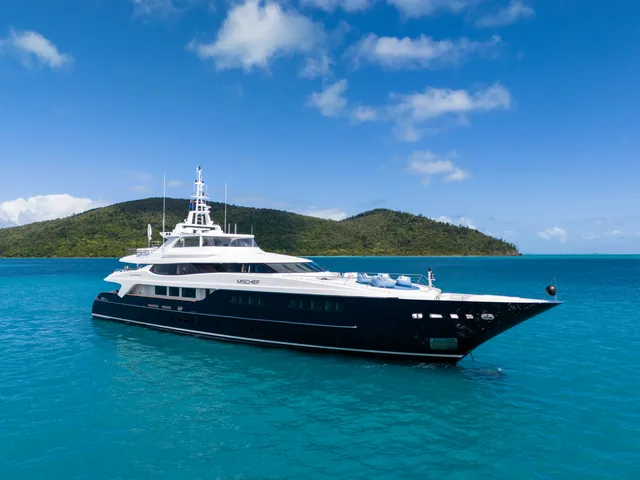
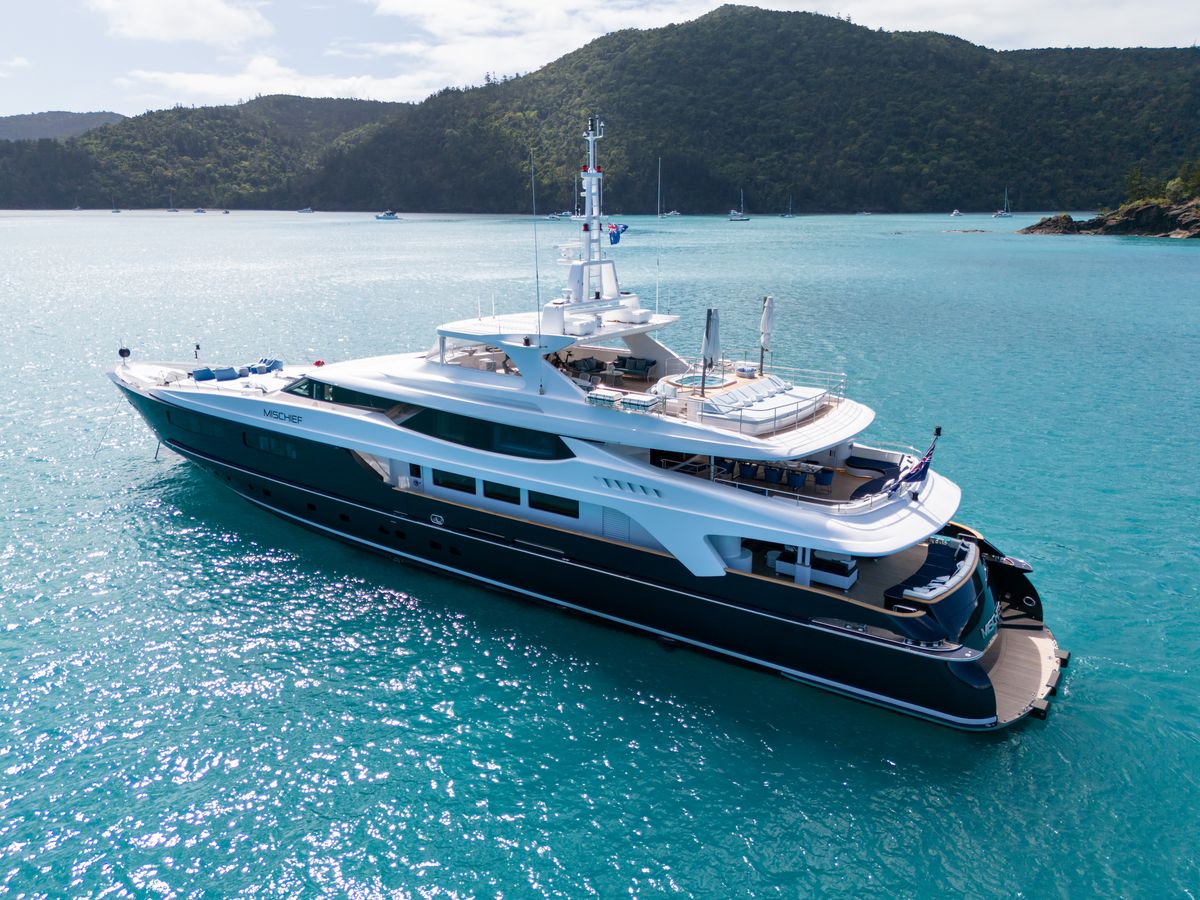
MISCHIEF
54m Baglietto, the family's own yacht. Stripped to bare metal and finished six months ahead of schedule while she kept her charter season. Nominated at the 2025 World Superyacht Awards.
Read the storyOwner's representative and project manager
You appoint us once, for the whole project: definition, feasibility, design, tender, execution, delivery and warranty. A single appointment covering all the works, with decision gates that protect your money on the structural items. Nothing major is committed until feasibility clears.
Working with your existing arrangements
If the yacht already has a management company, captain and crew, we do not ask you to disturb any of that. Owner's representation for a refit is a project discipline with a beginning, a middle and an end. We work alongside your managers and crew, keep them informed, and hand back a fully documented boat that slots straight into her operational life.
One team, whole job
A single appointment covering all the works, from the objectives workshop to the last warranty claim. One accountable point of contact, not a chain of consultants passing the boat between them.
A project director dedicated to your yacht
On site through the yard period and accountable for scope, budget, programme and quality, with support staff as the project requires, our technical bench behind them and principal oversight from Ian Malouf.
Control of funds
Works are paid from a dedicated project account. You, or your nominee, approve every payment electronically before funds move, with full statements at all times.
Reporting you can act on
A weekly summary with photographs, a formal monthly report with cost against budget, programme and risks, and a live owner portal you can open any time.
Straight talk
Before you spend: our early steer
Most worklists are two projects that must be run as one. The first is structural: deck extensions, new decks, enlarged suites, cranes and tender arrangements all change weight, stability and structure on a classed vessel, and touch the character of the boat's profile. The second is the one that makes her feel new: interiors, wellness spaces, lighting, AV and IT, furniture and finishes, with limited technical risk and strong return. Underneath both sits the machinery, and its overhaul-or-replace strategy should be settled before major money is committed anywhere else.
Feasibility studies cost money, and you should not have to buy them blind. So before anything is commissioned we give you our honest first read of every item: where we would put your money first, and where we would pause. Every view is provisional until feasibility proves it, and every decision remains yours. Run as one coordinated programme, the works lift the boat's capability, enjoyment and value together. Run piecemeal, they compete for the same weeks in the yard, the same trades and the same budget.
Pursue first
The items with the best return for owner experience and limited engineering risk. Interior, lighting and AV works usually sit here, and can proceed with confidence almost regardless of what happens above deck.
Pursue
Likely feasible and clearly worthwhile, often stronger still when engineered together with a neighbouring item so the yard period, the trades and the structure are decided once.
Prove the value
A great concept whose value case is the open question, usually the item carrying the largest cost, weight and approval burden on the list. Feasibility settles it before design money flows.
Challenge it
Technically possible, but an expensive and complicated way to reach the goal. We price the simpler alternatives alongside it so the comparison is made in euros, not opinions. If it still wins, we build it well.
Successful refits are not defined by how much is spent. They are defined by how many expensive surprises are avoided.
One appointment, five phases, real gates
Inside the appointment, money is only ever committed at gates: fixed points where you see cost, risk and schedule before the next tranche of spending begins. The gates protect you. The single appointment protects the project's pace and accountability. Every gate ends with a gate paper in your hands: the evidence, the numbers and our recommendation, in plain language.
1
Definition and feasibility
The first weeks
Objectives settled with you. Naval architecture, stability and weight studies for the structural items. Early engagement with class and flag. Machinery strategy resolved. Concept sketches, first cost plan and programme roadmap.
You hold
- Stability and weight assessment for the structural items
- Structural review and FEM screening
- Concept drawings, with alternatives where we see better value
- Machinery overhaul-or-replace strategy
- Line-by-line budget estimate against the scope register
- Programme roadmap and risk register
Gate 1. You confirm the scope worth designing, from evidence, not enthusiasm.
2
Design and engineering
Months, not weeks
Designers and engineers coordinated under one master general arrangement. Structural packages, class submissions and specifications written to tender quality. Cost plan refined as the design firms up.
You hold
- Approved general arrangement
- Tender-quality specifications and the full tender package
- Class submission package, lodged
- Refined budget with declared contingency
- Tender strategy and yard shortlist
Gate 2. Scope, specification and budget frozen before anything goes to market.
3
Tender and contracting
Overlapping design
Yard shortlist and visits, competitive tenders for the yard period and every major package: paint, teak, metalwork, cranes, AV and IT, interiors. Bids levelled line by line, terms negotiated hard, insurances placed.
You hold
- Levelled, line-by-line comparison of every bid
- Negotiated contract terms with our recommendation
- Fixed execution budget and payment milestone schedule
- Contracted master programme with a firm redelivery window
- Insurance placements confirmed
Gate 3. You award contracts knowing exactly what is included, excluded and at risk.
4
Execution
Duration set at Gate 3
Full-time site representation. Daily supervision, quality control, progress meetings, change control, class surveys and cost reporting against the frozen budget. Crew worklists coordinated so the yard period is used twice over.
You hold
- Weekly summaries with photographs
- Monthly cost-to-budget, programme and risk reports
- Live change register and rolling three-month cash forecast
- Class survey status through the yard period
Gate 4. Changes priced for cost, weight and schedule before approval, never after.
5
Delivery and warranty
Final weeks, then the warranty periods
Commissioning, sea trials, snagging to zero, handover documentation, and active management of every warranty claim for its applicable period. We negotiate the strongest cover available at tender, then hold every supplier to it on your behalf.
You hold
- Commissioning and sea trial results, witnessed and recorded
- Snag list closed out to zero
- Complete handover documentation: manuals, as-builts, certificates
- Final account, reconciled to the euro
- Warranty register, then enforced for the applicable periods
Gate 5. The boat is handed back finished, documented and defended.
The execution period is set at Gate 3, once feasibility has sized the scope and the yard tender has fixed the schedule. We will not promise dates we have not yet earned the right to promise.
What we do
The full services schedule, from the first objectives workshop to the last warranty claim. The development half gets the project defined, engineered, approved and bought well. The delivery half gets it built, paid for and handed back finished.
Development
Project definition
- Establish objectives, priorities and budget appetite with you, and keep them written down
- Build and maintain the master scope register; challenge assumptions where they deserve it
- Identify risks and opportunities early, including the resale-value effect of each major work
- Set the decision-gate framework and approval thresholds with you
Feasibility and engineering
- Commission and direct naval architects for stability, weight and structural (FEM) studies
- Develop mast, antenna and communications concepts alongside any new deck structure
- Assess practicality, maintainability and crew-operational impact of every concept
- Present realistic options with costs, not a single take-it-or-leave-it scheme
Class and flag
- Engage class and flag early; agree the approval pathway before design money flows
- Manage plan submissions, surveys, inspections and stop points through the project
- Close out conditions of class and keep certification continuous through redelivery
Design coordination
- Coordinate interior designer, exterior considerations and engineering under one master GA
- Hold drawing programmes and approval schedules; chase what needs chasing
- Review design intent against buildability, weight, maintenance and cost before release
- Protect the boat's lines: every exterior change tested against her original proportions
Budget development
- Prepare and maintain the cost plan from first rough-order estimates to final account
- Benchmark yard and contractor pricing against current market rates
- Declare contingency openly and manage its drawdown with you
Tender and procurement
- Shortlist yards and specialists; prepare tender packages that leave nowhere to hide
- Level bids line by line; negotiate pricing, terms and exclusions hard, on your side only
- Recommend awards with reasons; place contracts in your name with clean terms
- Coordinate owner's supply purchasing, shipping, customs and VAT treatment
Delivery
Programme management
- Build and hold the master programme; track the critical path weekly
- Set payment milestones against progress actually achieved, not promised
- Sequence crew worklists with contractor works so the yard period pays twice
Site supervision and quality
- Daily on-site representation through the yard period; weekly recorded quality inspections
- Chair progress meetings with yard and contractors; publish actions and hold people to them
- Witness surveys, tests and trials; manage snagging to zero before acceptance
Change control
- Every proposed change priced for cost, weight and schedule before you decide
- A single change register, visible to you at all times
- No verbal instructions to yard or trades, ever. If it isn't written, it doesn't happen
Payments and administration
- Invoice verification against contract, progress and quality before anything is presented for payment
- Electronic approval workflow: you or your nominee release every payment
- Full project accounting, reconciled monthly, auditable at any time
Reporting
- Weekly one-page summary with photographs and the decisions we need from you
- Formal monthly report: progress, cost against budget, programme, risks and changes
- Live owner portal: budget, approvals queue, worklist status, photo log and documents
Commissioning and warranty
- Manage commissioning, dock and sea trials with class, flag, yard and crew
- Complete handover documentation: manuals, drawings, certificates, as-built records
- Negotiate the strongest contractor warranties available at tender, hold them in one register and press every claim
What a refit can cover
Every item on the worklist goes into one master scope register with its own budget line and a rating for its engineering and class burden, so you can see what each ambition costs and what removing or phasing it saves. If you already have an interior designer or a design brief in circulation, we fold it, and the designer who carries it, into the same register so one scope governs the whole project.
Structural works
HighThe items that change weight, stability and structure, and would define the refit. Stability, weight and structural analysis first, mast and antenna architecture redesigned with any new deck, and every change tested against the boat's original proportions so she never looks heavy.
- New decks and hardtops
- Deck extensions fore and aft
- Enlarged suites
- Bulwark and rail changes
- Tender cranes and stowage
- Hull and beach club works
Exterior and finishes
MediumSignificant aluminium, teak, stainless and paint work, with the coatings surveyed independently. Communications architecture simplified where flat-panel systems allow, with a welcome weight saving aloft and redundancy preserved.
- Paint and coatings
- Teak decks
- Stainless and rails
- Comms domes and antennas
- Exterior seating and storage
- Hot tubs and sunpads
Machinery and systems
HighThe highest technical priority on most boats and potentially one of the largest costs. Service history reviewed and a long-term overhaul-or-replace strategy settled before major budget is committed anywhere else.
- Generators
- Main engines and propulsion
- Stabilisers
- Ventilation and HVAC
- Electrical and switchboards
- Tanks, pumps and plumbing
Interior
LowLow technical risk, strong return. Design options commissioned early so long-lead finishes never hold the programme, with ergonomics, sightlines and storage confirmed together rather than piecemeal.
- Saloon and dining
- Master suite and cabins
- Joinery, stone and finishes
- Furniture and soft goods
- Gym and wellness spaces
- Galley and crew areas
Lighting, AV and IT
MediumA complete refresh towards one unified network, media and control architecture, coordinated with the interior and lighting packages. Modern LED, indirect and architectural lighting with scene control changes how the boat feels at night for sensible money.
- Unified AV and IT network
- Bridge and navigation electronics
- Scene-controlled lighting
- Understep and architectural lighting
- Wi-Fi and connectivity
- Security and CCTV
Tenders, toys and operations
MediumA renewal programme decided once, so davits, cranes, chocks and garage arrangements are settled together, and crew workflow, anchor operations and safety are verified before anything is priced.
- Tender and toy renewal
- Davits, cranes and chocks
- Garage and stowage
- Crew workflow and service flow
- Safety and lifesaving equipment
- Charter readiness
Transparency you can audit
You see every supplier invoice, approve every payment and hold a live view of the budget at all times. Nothing about the project is ever hidden inside a line item or a single person's inbox.
Every invoice, visible
Every payment is presented with the supplier's own invoice attached, verified against contract, progress and quality first. We negotiate hard on your behalf, and every saving we win lands with you.
Your money moves on your say
A dedicated project account holds the float. Payments are queued with their documentation and released only on your electronic approval, or your nominee's. Statements reconcile to the euro, monthly.
Nothing happens by word of mouth
No verbal instructions to yard or trades, ever. After the design is frozen, every change carries a signed order stating its cost, weight and schedule impact, in a single register you can open at any time.
How the budget is controlled
One cost plan, structured by the register
Every scope item carries its own budget line from feasibility onwards, so you always see what each ambition costs, and what removing or phasing it saves.
Contingency declared, not buried
Concept-stage estimates carry an explicit design-development contingency, higher on structural transformations than on defined technical works, stepping down as design and tendering harden the numbers. You will never find contingency hidden inside a line item.
Committed, spent and forecast
The monthly cost report shows budget, committed, spent and forecast-to-complete side by side, with variances explained in plain language while there is still time to act on them.
Change control with teeth
After the design is frozen, no change proceeds without a signed order stating its cost, weight and schedule impact. Small discipline, enormous savings.
Cash flow without surprises
A rolling three-month cash forecast accompanies every report, so float top-ups are planned events, never emergencies.
How you stay informed
Built on the systems we use across our own fleet, the owner portal gives you a live view of the project from anywhere: budget against actuals by scope item, the payment approvals queue, worklist status, the weekly photo log, decisions waiting on you, and the full document library. Your captain and advisors get access at the level you choose. Nothing about the project will ever live in one person's inbox.
Every Friday
Weekly summary
One page with photographs, progress against programme and the decisions we need from you.
Every month
Formal report
Progress, cost against budget, programme, risks and changes, within five working days of month end.
Every quarter
Review with you
In person or by video, wherever you are in the world, with Ian Malouf at the gates.
Any time
Owner portal
Live budget, approvals queue, worklist, photo log and documents, shared with your captain and advisors at the level you choose.
The team, and why it cannot fail quietly
Projects fail quietly when they live in one person's head. Ours are built so they cannot: every decision, drawing, cost and approval sits in shared project systems from the first week, support staff work inside those same systems, and the agreement commits us to continuity of leadership. If your project director were ever unavailable, a replacement of equivalent seniority steps in under the same systems, in consultation with you. You are appointing Ahoy Club's capability, with one person as its point and the full depth of the company behind them.
Project director
Your single point of contact, on site through the yard period, accountable for scope, budget, programme and quality. Runs the project the way we run our own boats: documented, negotiated hard and finished properly.
Principal oversight, Ian Malouf
Ian founded Ahoy Club with Ellie Malouf after building and selling Australia's largest privately owned waste business across 40 years of hard projects. He reviews the project monthly, attends the gates and is personally reachable throughout.
Support and project office
Support staff are engaged as the project requires, working inside the same systems and records from day one. Project accounting and administration run from the Ahoy Club project office, not from anyone's laptop.
Specialist bench
Naval architecture and structural engineering, class liaison, paint and coatings survey, AV and IT integration and interior outfitting QA, engaged per phase, with your approval. The right expert at the right moment, never a permanent overhead.
Owners ask
Do we have to change our management company, captain or crew?
No. Owner's representation for a refit is a project discipline with a beginning, a middle and an end. We work alongside your existing managers and crew, keep them informed through the project, and hand back a fully documented boat that slots straight into her operational life. Where the incumbent arrangements add value we use them; where the project needs its own dedicated team, you have ours.
When is money committed?
Only at gates. The project runs in five phases, and each ends with a gate paper in your hands: the evidence, the numbers and our recommendation in plain language. Nothing major is committed until feasibility clears, the budget is frozen before anything goes to market, and after that no change proceeds without a signed order stating its cost, weight and schedule impact.
How long does a refit take?
It depends on the scope, and we will not promise dates we have not earned the right to promise. Definition and feasibility typically takes about twelve weeks. Design, engineering and tendering follow, and the yard period itself is fixed at Gate 3 once feasibility has sized the structural scope and the tender has set the schedule. A structural transformation on a large yacht is usually a yard period measured in many months, not weeks.
Can we keep our own designer?
Yes. If an interior design brief is already in circulation we fold it, and the designer who carries it, into the master scope register so one scope and one general arrangement govern the whole project. We coordinate designer, engineers and yard, review design intent for buildability, weight, maintenance and cost before release, and chase what needs chasing.
Who approves payments?
You do, or your nominee. Works are paid from a dedicated project account. Every invoice is verified against contract, progress and quality before it is presented, then queued with its documentation and released only on your electronic approval. Statements reconcile monthly and are auditable at any time.
What happens after redelivery?
Warranties are given by the yard and each contractor, and periods vary by trade. We negotiate the strongest terms available at tender, record every warranty in one register, and pursue every claim on your behalf for its applicable period. Seeing warranties honoured is part of finishing the job.
Do you only run large transformations?
No. The same discipline scales down. Our own charter yachts go through mid-life refreshes and light refits between seasons, planned around the charter calendar so the boat is back to work on time. Tell us the yacht and the wish list and we will tell you what we would do first.
Where do you work?
From Sydney and the Côte d'Azur, at whichever yard is right for the boat and the work. Our own fleet works both hemispheres, so the specialists, the suppliers and the systems are already in place.
What happens when we appoint you?
Within the first two weeks we convene the objectives workshop, commission the stability and structural studies, open the project account and the owner portal, and begin the machinery strategy review. The first-phase reports land on your desk within about twelve weeks.
Planning a refit?
Send us the yacht and the wish list. We will tell you honestly what we would do first, what we would prove before spending, and what we would challenge. We would rather answer hard questions now than easy ones later.